No Tax on Overtime HelpHand over one week.
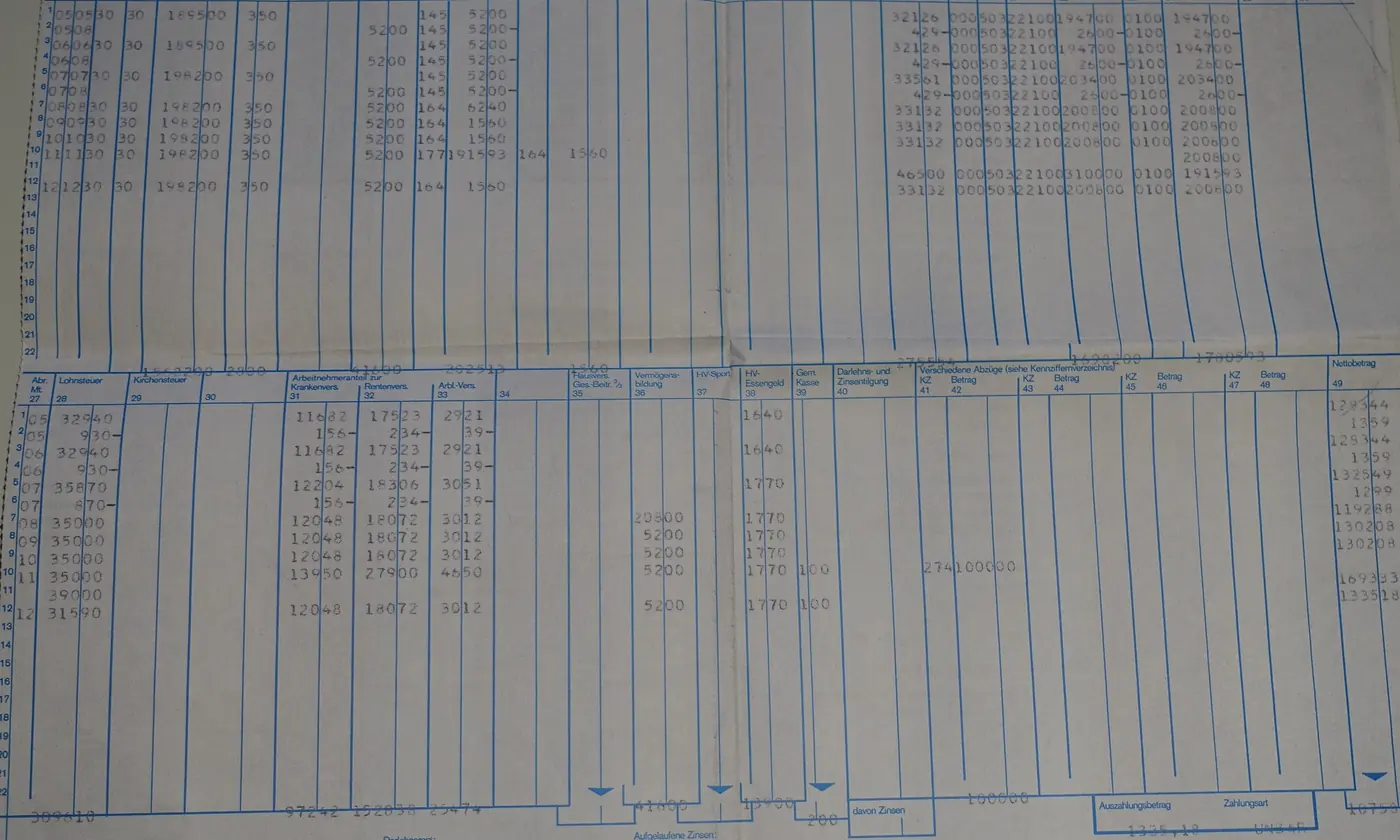
What the week needs to show.
We want the regular hours and the premium half on the same week, where a person can see which dollars sat above the regular rate. A year-to-date blob can be true and still be the wrong paper. The notice's examples work on a figure that has a rate attached.
If the wage form already isolates the premium, bring that page and the week it came from. If it does not, bring the stub that shows the combined overtime figure and say whether the rate was time and a half or something richer. The richer rate is where the deduction usually stops.
You do not need every week of the year on the first call. One clean week teaches the shape. The rest of the year is a repeat of that shape, or it is a mess we should see before anyone types Part III.
What we do with it.
We mark the half. We do not mark the regular rate. We then ask whether the cap and the phaseout still leave room, and whether the person who worked the hours is the person who will claim the line. An owner holding a crew's stubs is holding their records, not their deduction.
The books matter because the return is built from a closed month, not from a single heroic week. If the provider's report and the bank debit disagree, we reconcile that before the half is treated as final. You keep pressing the runs. The login for payroll never moves off the owner's own account.
A week that never passed forty hours, with only a weekend premium, is a week we will probably set aside. Bring it anyway if that is the week people are arguing about. Setting it aside is a finished answer.
Say which week you can send
You will be talking to the Steven Palmieri practice.
Name the week and whether the half is already on its own line.